
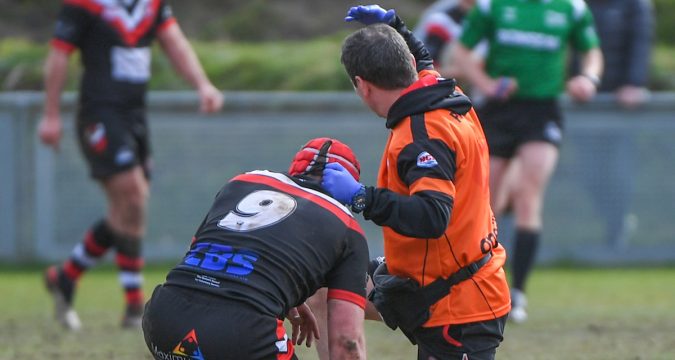
THE high-profile concussion legal case involving hundreds of former rugby league players has been allowed to continue by the High Court.
In an action which began six years ago and also involves ex-rugby union players, a procedural row over the disclosure of medical records had left many of the claimants at risk of having their cases struck out.
That was after senior master Jeremy Cook, the presiding judge, ruled last month in favour of defendants including the Rugby Football League that a court order to disclose all documents relating to the players’ neurological testing had not been complied with.
After that Rylands Garth, the firm representing the former players and led by solicitor Richard Boardman, stepped aside from the case, with KP Law now taking it on.
On Friday, Cook ruled that the claims should proceed to trial, subject to conditions which will be determined at a further hearing, citing the “countervailing public interest” in the case.
He added: “I recognise the delay and unnecessary expense caused to date, but this delay can be remedied going forward by tight case management and the unnecessary expense can be compensated in costs.”
The whole case remains in the pre-trial phase because the two legal teams have been in the process of agreeing a smaller number of claimants, out of more than 1,000 now involved from across the two rugby codes, to bring forward to trial.
The test cases brought forward would be a mix of league and union players and representative of the different neurological conditions diagnosed among the claimants, plus the eras in and level at which they played.
The defendants, which also include World Rugby, the Rugby Football Union and the Welsh Rugby Union, successfully argued this could not be done without all relevant medical documents being disclosed.
Rylands Garth’s non-compliance had led the governing bodies to press for almost 500 cases, including 153 related to rugby league, to be struck out, but the fresh ruling means the process will continue, with shortlists of potential lead claimants expected to be submitted in November.
A KP Law spokesperson said: “We are pleased the court has allowed these important claims to proceed and we look forward to progressing this case.
“This is a significant step for the many claimants affected by this litigation, who deserve to have their experiences heard and their concerns properly addressed.”
The former players claim the governing bodies failed to protect them from the effects of repeated head impacts, while the defendants deny breaching a duty of care.